Youth Soccer Tips: How to Get Better at Every Level
Getting better at soccer takes one thing above everything else: repetition. Not just going through the motions — meaningful touches, real decisions, and feedback that helps you improve.
Whether you’re a parent looking to support your young player or a kid who wants to take your game to the next level, these are the tips that actually make a difference.
Book a free first session at TOCA →
Master the Fundamentals First
Every great player builds on the same foundation. Three skills matter more than anything else at the youth level:
Ball Control
The players who feel most comfortable on the ball got there through thousands of touches. Trapping, cushioning, first touch — none of it is natural at first. It’s all learned through repetition. The more quality touches a player gets, the faster it clicks.
Passing
Accurate passing is what connects everything. Short, crisp passes. Long switches of play. Give-and-gos. Every one of these requires technique and timing that only comes from practice. Players who master passing early control the tempo of the game.
Shooting
Power, placement, and timing — great finishing combines all three. The key is practicing a variety of shot types: driven shots, chips, volleys, and one-touch finishes. Variety in practice builds confidence in games.
Fuel Your Body Right
Physical preparation matters as much as technical skill. A few fundamentals:
Train for soccer specifically. Warm-ups, agility work, sprint intervals, and strength training all support on-field performance and reduce injury risk. The goal isn’t just fitness — it’s soccer fitness.
Eat to perform. Carbohydrates fuel your sprints, protein repairs your muscles, and healthy fats support sustained energy. For more on what to eat before and after games, check out our complete guide to soccer nutrition →
Prioritize sleep and recovery. Muscles repair during rest, not during training. Players who get 7–9 hours of sleep consistently recover faster, make sharper decisions, and perform better over a full season.
Build Mental Toughness
The mental side of soccer is underrated — and underpracticed. A few habits that make a real difference:
Develop a pre-game routine. Whether it’s a breathing exercise, a walk around the field, or a specific warm-up sequence, a consistent routine helps players settle their nerves and arrive mentally ready.
Learn to bounce back. Every player misses shots, loses possession, and makes mistakes. What separates good players from great ones is how quickly they reset and compete on the next play. Resilience is a trainable skill.
Use visualization. Mentally rehearsing specific moments — a penalty kick, a 1v1 defending situation, a corner kick run — builds the same mental pathways as physical repetition. It works. Many professionals do it.
Understand the Game Tactically
Technical skill gets you on the field. Tactical understanding keeps you there.
Offense and defense are connected. Great attackers understand defensive shape. Great defenders know how to start counter-attacks. Players who study both sides of the game develop faster.
Spatial awareness is everything. Knowing where you are on the pitch is basic. Knowing where your teammates and opponents are — and predicting where they’ll be — is what separates good players from great ones.
Read the game, don’t just react to it. The best youth players at any age are always thinking one move ahead. Where is the space? Where is the pressure coming from? What’s my next action before the ball arrives? These habits start early and compound over time.
Train Smarter with Technology
The players who improve fastest aren’t necessarily the ones who train longest. They’re the ones who get the most quality repetitions per session.
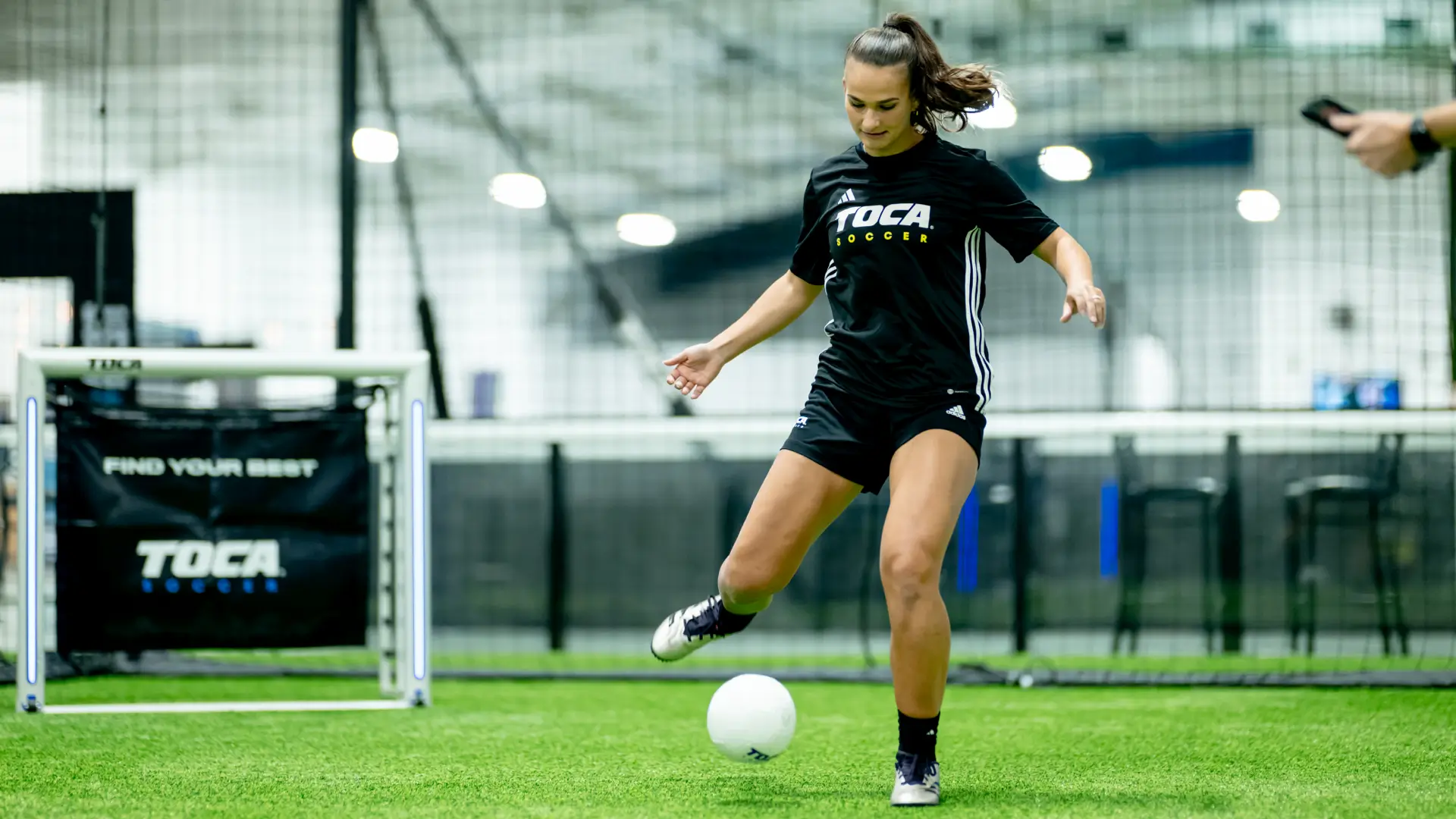
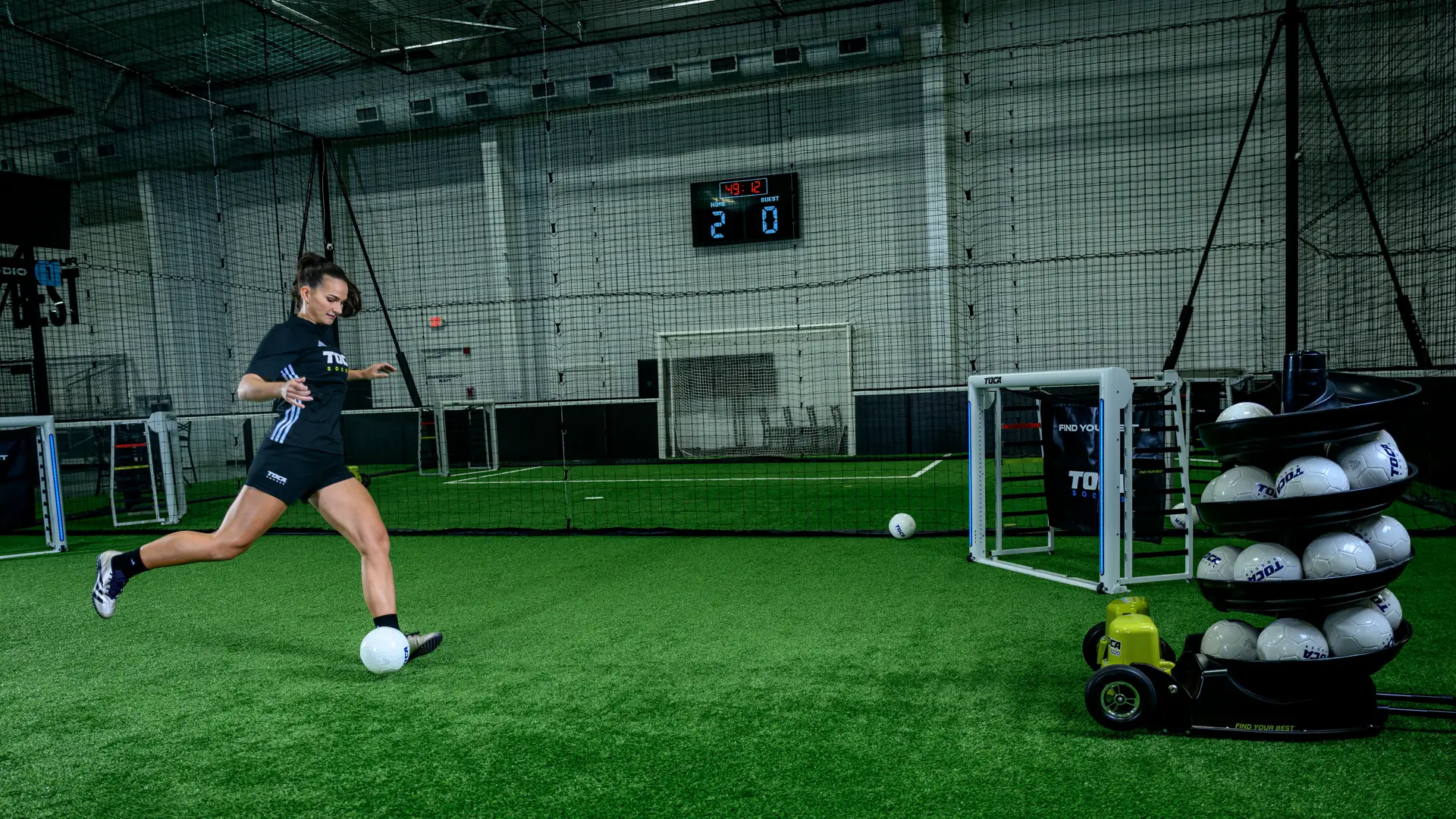
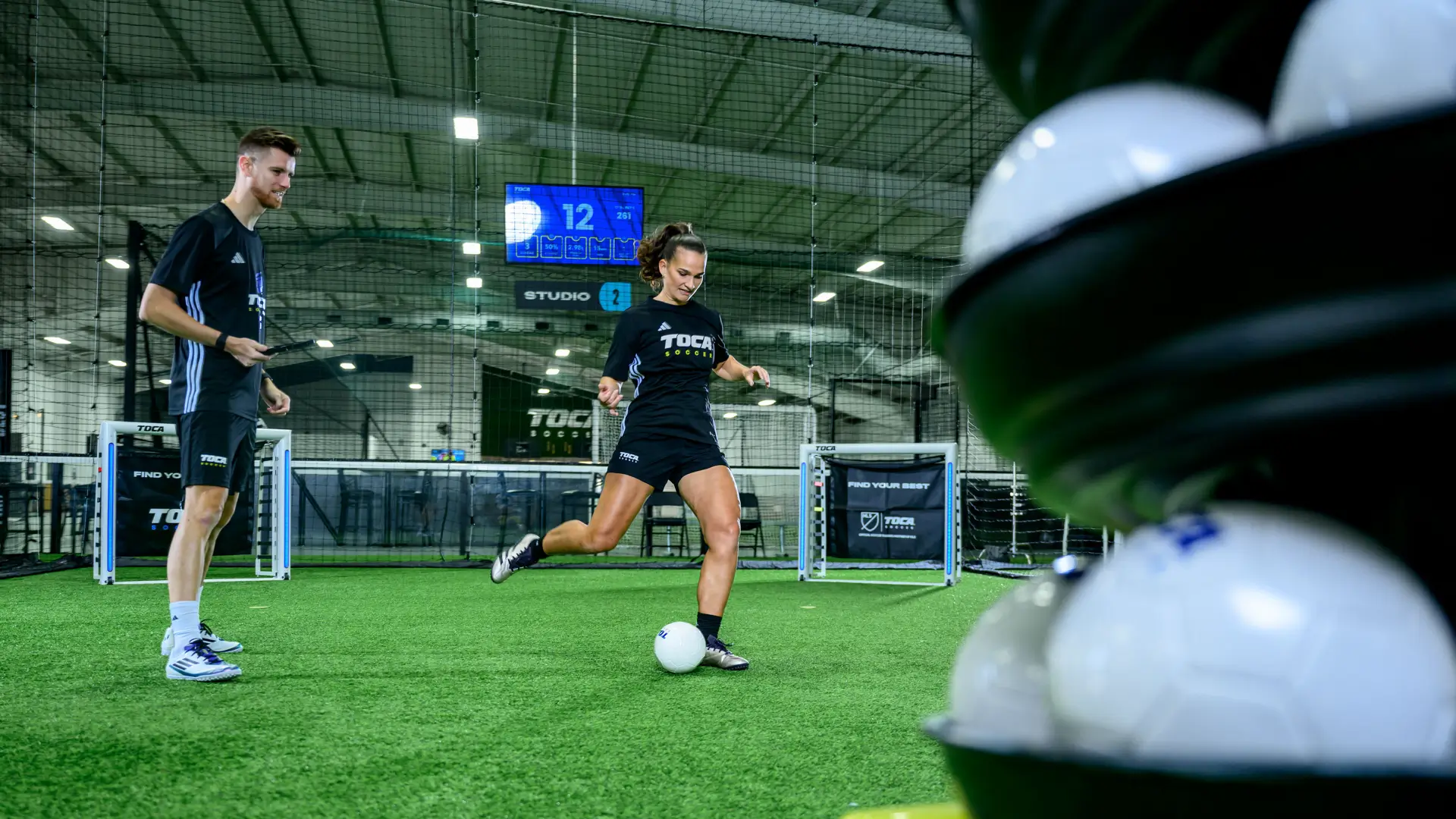
That’s exactly what TOCA is built around. The Touch Trainer delivers balls at varying speeds and trajectories, giving players an average of 200 purposeful touches per session. Smart Targets create game-realistic decision-making scenarios so players aren’t just drilling in isolation — they’re training the specific actions that show up in matches.
It’s the same volume of touches that street soccer players used to get from playing all day. TOCA makes it available in a focused 50-minute session.
See what a TOCA training session looks like →
Solo and Team Drills to Try
You don’t need a full team to work on your game. Some of the best development happens in solo sessions:
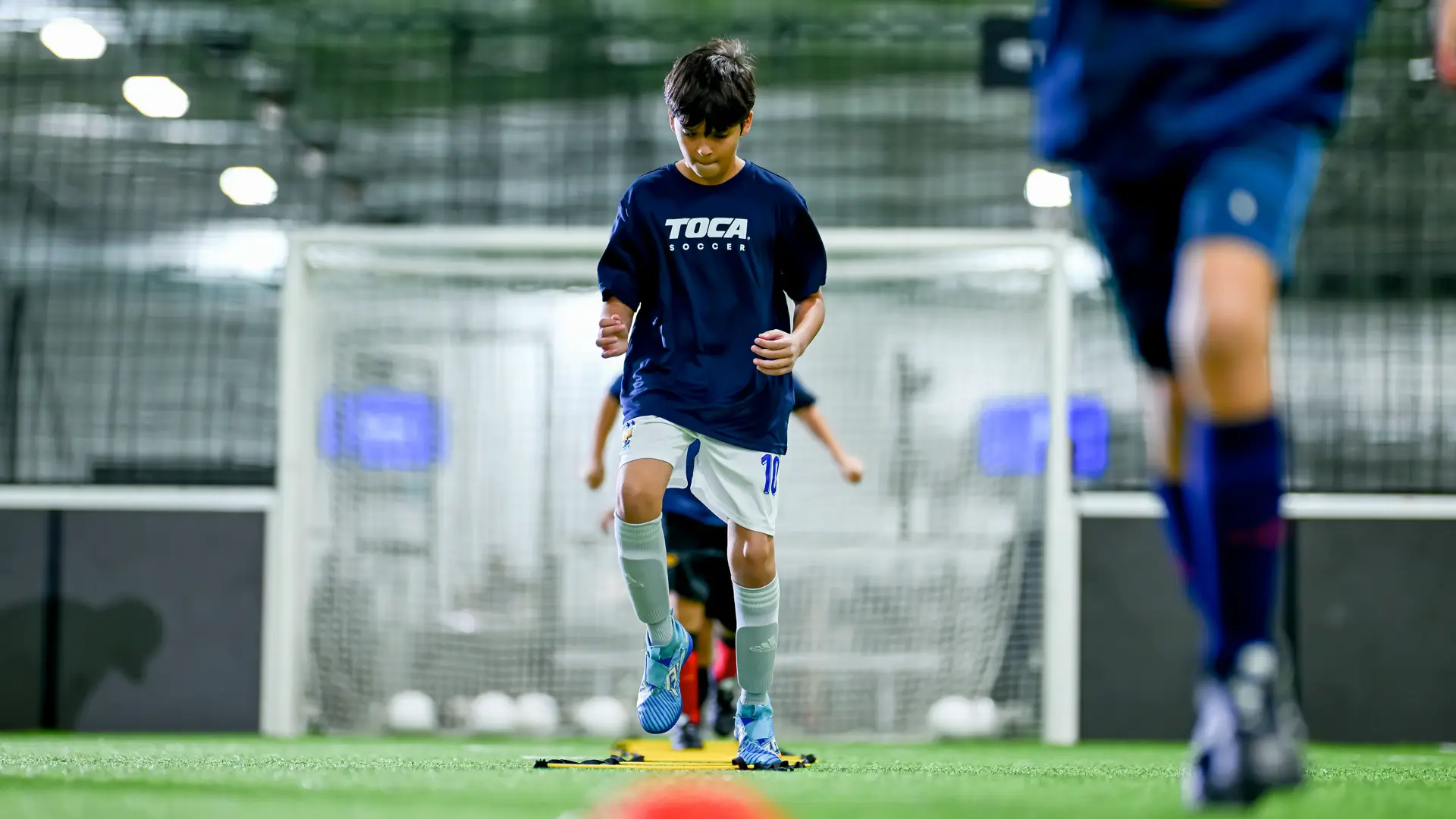
Solo work: cone dribbling, juggling, wall passes, and first-touch repetitions against a rebounder all build the fundamentals. Keep it focused and purposeful — quality over quantity.
With teammates: small-sided games, possession drills, and scrimmage scenarios force real decisions under pressure. These sessions build chemistry and make training feel like playing.
Take the Next Step
The tips in this article give you a solid foundation. But the players who improve fastest are the ones who put in consistent, quality work — and have the right environment to do it in.
Soccer is the world’s game — and there’s never been a better time to be part of it.
About TOCA Soccer: TOCA serves local communities throughout the United States and Canada, welcoming players and families to find their best through classes, training sessions, camps, leagues, and more. Soccer classes for ages 1–13 are engaging and educational, while individual or group training sessions for ages 7+ offer progressive levels of development for players looking to challenge themselves and have fun.